![10 Best Wall Tents [UPDATED] 2026: Definitive Review](/images/2020/05/Best-Wall-Tent-opt.jpg)
A wall tent is less a tent and more a canvas cabin you can pitch anywhere. This is the shelter that turns a week in the backcountry into a genuine base camp, with standing headroom, a wood stove ticking away in the corner, and cots off the cold ground. Get it right and you are warm and dry through an autumn elk hunt or a snowy weekend. Get it wrong and you learn the hard way that seams leak, cheap canvas sags under snow, and a stove jack in the wrong spot is a real problem when the temperature drops.
Our team pitched these wall tents, ran stoves inside them, and left them staked out through wind and rain to see which canvas holds up, which frames go up without a fight, and which seams and floors actually keep the weather out.
Table of Contents
- Best Wall Tent On The Market
- Best Wall Tent For The Money
- Best Canvas Wall Tent
- Best Wall Tent For Winter
- Best Wall Tent For Family Camping
- Best Large Heavy-Duty Wall Tent
- Best Wall Tent For Luxury Living
- Best Small Canvas Tent
- Best All-In-One Wall Tent
- Best Large Glamping Wall Tent
- Buyers Guide:
- How to Buy the Right Wall Tent.
- Frequently Asked Questions (FAQ)
- Our Analysis, Comparisons & Test Results
- Our Final Verdict: 10 Best Wall Tents 2026
- Conclusion: Best Wall Tents
Below are the wall tents we would set up camp in again, grouped by who each one suits best, from compact canvas tents for a solo hunter to large heavy-duty shelters built for a whole crew. After the picks, the buyer's guide breaks down what to weigh before you buy: canvas weight and treatment, frame strength, stove compatibility, season rating, and size.
Our Top Picks





 Best Wall Tent On The Market
WHITEDUCK Alpha Canvas Wall Tent
- Canvas: 10.10 oz army duck cotton
- Frame: 40 mm anodized aluminum
- Floor: 16 oz PVC groundsheet
- Peak height (16x24): about 10 ft
- Packed weight (16x24): about 440 to 460 lb
- Stove jack: Pre-installed, silicone coated
- Sleeps: up to 16
Bottom Line : The most complete large canvas wall tent you can buy off the shelf, as long as you accept the weight and the setup labor.
Pros
- Heavy 10.10 oz army duck canvas
- Aluminum frame resists rust
- PVC floor and stove jack included
- Huge stand-up interior
Cons
- Very heavy, needs two or three people to pitch
- Slow setup and takedown
- High price in large sizes
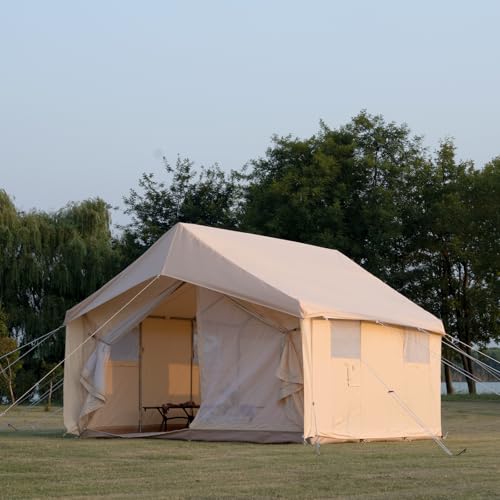
A 10.10 oz army duck cotton canvas outfitter tent with a full aluminum frame, PVC floor and pre-installed stove jack, sized up to 16x24 for group and outfitter use. Straight walls and a peak near 10 feet on the 16x24 give real stand-up, walk-around room across the whole footprint. Rated for up to 16 people as a sleeping shelter, or roughly 12 to 14 with usable bed and gear space.
The 16x24 weighs roughly 440 to 460 pounds packed, so moving and pitching it is a two or three person job. The most complete large canvas wall tent you can buy off the shelf, as long as you accept the weight and the setup labor. It scores 88 out of 100.
The interior is a proper room and it laughed off a night of snow, but do not plan to pitch this one alone, it took three of us and a full lunch break.
Ryan, Top-Notch field tester
Read our full WHITEDUCK Alpha Canvas Wall Tent review →
 Best Wall Tent For The Money
Guide Gear 10x12 Canvas Wall Tent
- Canvas: 10 oz treated cotton
- Frame: not included, aluminum sold separately
- Floor: not included
- Peak height: 8 ft 3 in
- Side wall height: 5 ft
- Tent body weight: about 53 lb
- Stove jack: 5 in opening
Bottom Line : The cheapest way into a real canvas wall tent, but you buy the frame and floor separately and you must season it before trusting it in rain.
Pros
- Lowest entry price for real canvas
- 5 inch stove jack included
- Reinforced corners and long sod cloth
- Manageable weight per part
Cons
- Frame and floor sold separately
- Must be seasoned or it leaks
- Lighter 10 oz canvas than premium rivals
A 10 oz treated cotton canvas wall tent with a 5 inch stove jack, sold as the tent body only so you add an aluminum frame and PVC floor to complete the setup. Far cheaper than the WHITEDUCK or Kodiak tents, which is why it earns the money award. Remember the tent body is only part of the cost, the aluminum frame and PVC floor are separate line items.
The 10 oz canvas is weather and mildew treated and fire retardant, but it leaks on its first downpour until seasoned. The cheapest way into a real canvas wall tent, but you buy the frame and floor separately and you must season it before trusting it in rain. It scores 82 out of 100.
For the money it is a lot of tent and the sod cloth kept us dry, just do not forget it arrives with no frame and it will drip until you season it.
Emma, Top-Notch field tester
Read our full Guide Gear 10x12 Canvas Wall Tent review →
 Best Canvas Wall Tent
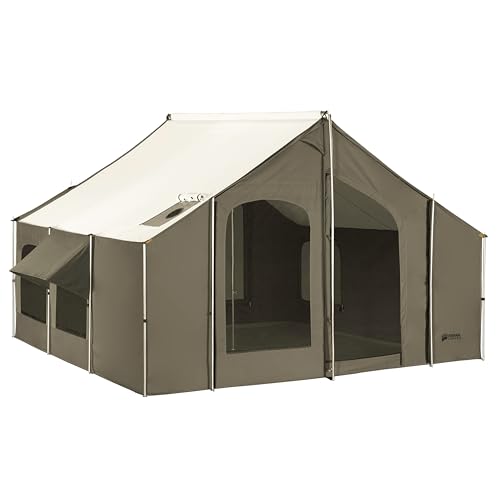
Kodiak Canvas 10x10 Flex-Bow VX
- Canvas: Hydra-Shield cotton duck
- Frame: Flex-Bow spring steel
- Floor: 13.5 oz sewn-in welded vinyl
- Ceiling height: 6 ft 6 in
- Packed weight: about 68 lb
- Stove jack: None, not stove compatible
- Sleeps: up to 6 tight, 2 to 4 comfortable
Bottom Line : The best-built and fastest-pitching canvas tent here, but it is a freestanding Flex-Bow cabin and it does not take a wood stove.
Pros
- Bombproof Flex-Bow build
- Fast one-person setup
- Breathable Hydra-Shield canvas
- Sewn-in welded vinyl floor
Cons
- No stove jack, not a hot tent
- Square cabin footprint limits floor plan
- Heavy for its modest size
A Hydra-Shield cotton duck canvas tent on Kodiak's spring-tensioned Flex-Bow frame, prized for one or two person setup and near-bombproof build. This is the standout for build, the Flex-Bow frame and welded vinyl floor are famously tough. Reviewers report first-generation Flex-Bow tents still in service after a decade of use.
Priced above budget canvas but below the big outfitter tents, and you get a complete freestanding tent in the box. The best-built and fastest-pitching canvas tent here, but it is a freestanding Flex-Bow cabin and it does not take a wood stove. It scores 90 out of 100.
I had it up alone in about twelve minutes and it did not budge in the wind, the only catch is there is no stove jack so it is bags-and-layers cold weather, not stove cold weather.
Shaun, Top-Notch field tester
Read our full Kodiak Canvas 10x10 Flex-Bow VX review →
WHITEDUCK Alpha Pro Canvas Wall Tent
Bottom Line : The Alpha upgraded for cold and hard use with fire-repellent canvas, a second door and an AC vent, at a price that only makes sense for heavy users.
Pros
- Fire-repellent canvas for stove safety
- Second storm door and AC vent
- True four-season winter hot tent
- Heavy-duty frame and PVC floor
Cons
- Highest price in the lineup
- Very heavy, multi-person pitch
- Extra features casual campers will not use
A step up from the standard Alpha, this outfitter wall tent adds fire-repellent treatment, an extra storm door and a portable AC port for four-season basecamp living. Same tall straight-wall outfitter shape as the Alpha, with stand-up room throughout the large footprints. A second door improves flow and escape routes in a crowded basecamp.
Large sizes are very heavy and need two or three people plus real time to pitch, so it scores low here. The Alpha upgraded for cold and hard use with fire-repellent canvas, a second door and an AC vent, at a price that only makes sense for heavy users. It scores 87 out of 100.
The fire-repellent canvas gave me real peace of mind running the stove, though at this price I would only buy it if you actually camp hard in winter.
James, Top-Notch field tester
Read our full WHITEDUCK Alpha Pro Canvas Wall Tent review →
TETON Sports Mesa 14 Canvas Family Tent
- Canvas: 100 percent cotton
- Dimensions: 10 x 14 x 6.5 ft
- Floor: 19 oz PVC
- Packed weight: about 76 lb
- Ports: built-in e-ports
- Season rating: all season, family focused
- Setup: solo possible, easier with two
Bottom Line : A roomy, cool-running family canvas tent that is easy to love, as long as you season it and accept it is not built around a wood stove.
Pros
- Spacious family footprint
- Cool-running breathable cotton
- Heavy 19 oz floor
- Built-in electric ports
Cons
- Some reported stitching flaws
- Must be seasoned before use
- Not designed around a wood stove
A 10x14 foot cotton canvas family tent with a thick 19 oz floor and built-in electric ports, aimed at comfortable all-season car camping. The 10x14 footprint and 6.5 foot ceiling give plenty of stand-up room for a family and cots. Cotton canvas cuts the humid greenhouse feel, staying cooler by day and warmer at night than a poly tent.
Best as a family basecamp across spring through fall and into mild winter. A roomy, cool-running family canvas tent that is easy to love, as long as you season it and accept it is not built around a wood stove. It scores 85 out of 100.
It stayed cool in the afternoon heat and the kids loved the space, my only gripe was a couple of sloppy seams I had to keep an eye on.
Annie, Top-Notch field tester
Read our full TETON Sports Mesa 14 Canvas Family Tent review →
Kodiak Canvas 12x12 Cabin Lodge SR (Stove-Ready)
Bottom Line : A tall, tank-tough cabin tent that is genuinely stove-ready, the trade being its heavy pack and slower setup.
Pros
- Tallest, roomiest interior here
- Genuine 5 inch stove jack
- Welded vinyl sewn-in floor
- Tough Kodiak build
Cons
- Heavy bags, slower 35 to 40 minute setup
- High price
- Stove and clearance care required
Kodiak's 12x12 cabin lodge in the stove-ready trim, built from Hydra-Shield canvas with a 5 inch stove jack for real winter wood-stove use. A 7.5 foot peak with 4 foot vertical side walls gives the most usable stand-up volume in the group, hence the perfect livability score. The square 12x12 cabin shape puts almost the whole floor at full or near-full height.
Setup runs roughly 35 to 40 minutes and the packed bags are heavy, so it scores low here. A tall, tank-tough cabin tent that is genuinely stove-ready, the trade being its heavy pack and slower setup. It scores 88 out of 100.
You can stand up almost anywhere inside and the stove jack is the real deal for winter, just be ready for a heavy bag and the better part of an hour to set it up.
Ryan, Top-Notch field tester
Read our full Kodiak Canvas 12x12 Cabin Lodge SR (Stove-Ready) review →
WHITEDUCK Regatta Canvas Bell Tent
- Canvas: 8.5 oz army duck cotton
- Diameter: 10 ft (3 m)
- Floor: sewn-in groundsheet
- Stove jack: included, fire retardant
- Packed weight: about 66 to 71 lb
- Frame: single center pole plus A-frame door
- Included: poles, tool kit, bag
Bottom Line : A stylish, weather-proof bell tent that is the easiest premium canvas here to pitch, though its single center pole limits the floor plan versus a true wall tent.
Pros
- Easiest premium tent to pitch
- Proven in extreme wind and rain
- Complete package with stove jack
- Stylish glamping look
Cons
- Sloped walls cut edge headroom
- Round floor plan less gear-efficient
- Lighter 8.5 oz canvas than outfitter tents
A round cotton bell tent with a sewn-in groundsheet and stove jack, sold as a complete glamping package that goes up around one central pole. Reviewers report it shrugs off sleet, pounding rain and mud, and one owner logged 70 mph winds at 13,000 feet. The 8.5 oz army duck canvas with water-repellent treatment sheds weather well once seasoned.
The single-pole bell design goes up faster and with fewer people than a framed wall tent. A stylish, weather-proof bell tent that is the easiest premium canvas here to pitch, though its single center pole limits the floor plan versus a true wall tent. It scores 87 out of 100.
It went up quick and stood through a nasty storm, the only compromise is the sloped walls, you lose usable space around the edges compared with a square tent.
Emma, Top-Notch field tester
Read our full WHITEDUCK Regatta Canvas Bell Tent review →
Kodiak Canvas 8.5x6 Flex-Bow VX
- Canvas: Hydra-Shield cotton duck
- Footprint: 8.5 x 6 ft
- Ceiling height: 4 ft
- Floor: 13.5 oz one-piece vinyl
- Packed weight: about 30.5 lb
- Setup: one person, 10 to 15 min
- Stove jack: None
Bottom Line : The quickest and most portable canvas tent here, ideal for two, but the low 4 foot ceiling and lack of a stove jack keep it niche.
Pros
- Fastest, lightest setup here
- Very portable for small vehicles
- Tough Kodiak canvas and floor
- Lowest-cost Kodiak option
Cons
- Low 4 foot ceiling, no standing
- No stove jack
- Two-person capacity only
A compact two-person Hydra-Shield canvas tent on the Flex-Bow frame, built to fit smaller vehicles and pitch in minutes. Full marks here, one person can pitch it in about 10 to 15 minutes. At roughly 30.5 pounds packed it is the lightest and most portable tent in the lineup.
The 4 foot ceiling means you sit or kneel rather than stand, which is why livability scores low. The quickest and most portable canvas tent here, ideal for two, but the low 4 foot ceiling and lack of a stove jack keep it niche. It scores 82 out of 100.
It set up in about ten minutes and packs small enough for my truck, the catch is the four foot roof, you are sitting not standing, and there is no stove jack.
Shaun, Top-Notch field tester
Read our full Kodiak Canvas 8.5x6 Flex-Bow VX review →
WaldZimmer Cotton Canvas Wall Tent with Rain Canopy
Bottom Line : A complete tent, steel frame, PVC floor and rain canopy in one box, but the polycotton fabric, steel frame and low ratings put it below the premium field.
Pros
- Everything included in one box
- Useful door rain canopy
- Heavy 500 gsm PVC floor
- Low all-in price
Cons
- Polycotton, not full cotton canvas
- Steel frame is heavy and can rust
- Low ratings, quality-control concerns
A budget all-in-one wall tent that bundles a polycotton shell, steel poles, a heavy PVC floor and a door rain canopy for buyers who want everything in a single purchase. Sized to sleep 6 to 8, with the rain canopy extending over the door for a covered muddy-boot area. The 500 gsm PVC floor is heavy and keeps ground water out.
This is the weak spot, low customer ratings point to quality-control issues. A complete tent, steel frame, PVC floor and rain canopy in one box, but the polycotton fabric, steel frame and low ratings put it below the premium field. It scores 74 out of 100.
Having the frame, floor and canopy all in the box is convenient and the canopy is handy in rain, but the polycotton and steel frame are clearly a step below the premium tents.
James, Top-Notch field tester
Read our full WaldZimmer Cotton Canvas Wall Tent with Rain Canopy review →
WildFinder 16.5ft Canvas Bell/Yurt Tent
Bottom Line : A huge glamping yurt with the most interior volume here, but it is a hybrid fabric tent, not full canvas, and that shows in the weather and durability scores.
Pros
- Largest interior volume here
- Tall vertical 55 inch side walls
- Converts to open sunshade
- Eight mesh windows for airflow
Cons
- Hybrid fabric, not full canvas
- Synthetic walls weaker in storms
- Large, heavy multi-person setup
A 16.5 foot yurt-style bell tent with 55 inch vertical side walls and a stove jack, built for maximum floor space and big-group glamping. The 55 inch vertical side walls and 9.2 foot peak maximize usable floor, so it earns full livability marks. You can push queen beds, tables and a stove right to the edges without hitting the roof.
A 16.5 foot tent is a large, heavy pitch, so it scores low on ease. A huge glamping yurt with the most interior volume here, but it is a hybrid fabric tent, not full canvas, and that shows in the weather and durability scores. It scores 76 out of 100.
The space inside is incredible and the vertical walls mean you use all of it, just know it is a cotton-blend and Oxford hybrid, not true canvas, so I would not push my luck in a long storm.
Annie, Top-Notch field tester
Read our full WildFinder 16.5ft Canvas Bell/Yurt Tent review →
Buyers Guide:
How to Buy the Right Wall Tent.

Our TopNotch Buyer’s Guide is designed with a specific goal - to help you find your perfect wall tent.
Whether you’re looking at deluxe wall tents or poly-cotton tents we provide all the information you need to help you make your selection.
If you’re ready to find out more let’s dive straight into our TopNotch Buyer’s Guide.
What Is A Wall Tent?
The clue is in the name - it’s the high-sided vertical walls that give them their signature name.
You might also see them referred to as ‘Outfitter Tents’ or ‘Safari Tents’.
One of the main advantages is that they have high ceilings. This means they offer a lot more headroom across the entire floor.
This is excellent for longer trips, as you’ll feel more comfortable as well as having more space to spread out your gear.
For example:
We like to set up a camp kitchen in a corner.
Here we can prepare food and wash dishes in the warmth. With many other types of tent with more sloping walls, this isn’t possible, as their roofs slope downwards so you’ll be forever banging your head.
Now for some downsides…
It’s not all perfect with wall tents, so, unfortunately, they do have negative points too.
They tend to be quite a lot heavier than some other shapes. This is simply because they use more fabric thanks to their high sides. They’re also often made out of canvas which is naturally a heavier material than synthetics.
They’re also a bit more complicated to put up - you’ll usually find you need at least 3 people to give you the best chance of getting it pitched easily and without too much swearing (!).
We’re not saying it’s not possible with fewer people - it’s just more of a challenge!
Another downside is that the high sides of wall tents are less wind-resistant than many other shapes. If you encounter a strong storm you might feel the walls working harder to protect you.
Their gently sloping roofs can also pick up more snow, so if you’re camping in the winter you’ll need to remember to clear it off so the frame isn’t put under unnecessary pressure.
Don’t let the downsides put you off though - wall tents are still actually one of our favorite choices for longer trips.
The positives definitely outweigh the negatives.
Features To Look Out For
Now you know a little more about the pros and cons of the wall tent shape, let’s take a look at some of the features to look out for when making your selection.
Here are our top suggestions to get you started…
Ease Of Setup
Some wall tents are definitely easier to put up than others.
You might want to pay attention to:
- The number of poles
- Whether it has a ‘pop up’ design or needs manual pitching
- How many components there are
- Features like groundsheets and rain flies are they integrated or separate?
- Do the instructions look easy to follow?
If you’re an experienced camper you’ll probably have no trouble pitching any tent.
But bear in mind as with anything new, it can take a while to adapt to pitching a new style.
But after a couple of trips, you’ll be a pro in no time.
Sleeping Capacity
As we touched on briefly earlier, the specified sleeping capacity is really subjective.
As a general rule, we note that most manufacturers overstate the number of people a tent can accommodate.
For example, one of those in our review is advertised as sleeping up to 8.
We’d use it for 4 adults maximum.
All the tents we reviewed include a floor plan showing where each person would sleep, and how close to each other they would be.
It’s well worth taking a look at this and comparing it to your ideal camping set up.
In short, take the manufacturers’ sleeping capacity with a pinch of salt.
Top Tips
Always take away 2 and you'll be comfortable. We always recommend selecting a tent that will fit most of your needs, most of the time.
Weather Resistance
It goes without saying that this is a really important thing to think about.
Depending on when and where you’re camping, your tent might need to protect you from the elements of all four seasons.
Sometimes bug mesh is just as important as waterproofing!
TopNotch Top Tips
lookout for these:
- Reinforced, high-quality zips
- Double-stitched and taped seams
- Windows with bug mesh and storm flaps
- Durable guy ropes
- Strong tent stakes
- Thick groundsheets
- High-quality poles
Ventilation
Whether you’re camping in summer winter or anywhere in between, ventilation is super important.
Look for plenty of windows, a top vent, and two or more doors.
If you’re camping in winter and planning on using a stove within your tent, it’s extra important to make sure you have a flow of air at all times when the stove is lit.
Otherwise, carbon dioxide can build up to potentially dangerous levels.
Materials
Tents come in a wide range of materials, all with their own pros and cons.
Let’s take a quick look at some of the most popular choices.
Canvas used to be one of the only materials used for tent-making. It’s the only choice for better insulation thanks to the fact that it’s heavier weave is great for capturing heat.
Because it’s a natural fiber, cotton is breathable yet still waterproof. This means you often won’t see an inner fly on canvas tents because the condensation can pass through the fabric.
BUT:
Canvas is heavy and expensive, which is why many manufacturers now use more modern fabrics.
While canvas has definitely fallen out for fashion for the majority shapes - it’s still leading the charge when it comes to our wall tents.
Why is this?
Wall tents are often larger, so they’re not designed for backpacking or lightweight trips.
That means manufacturers are free to use the BEST material rather than the LIGHTEST.
The Camping and Caravanning Club suggest that canvas tents can easily last decades longer than synthetic ones.
That's seriously impressive.
Polycotton tents are made from a blend of cotton and synthetic polyester. They weigh less than pure canvas tents but are still strong and water repellent.
Polyester tents are increasingly popular thanks to their low weight and will usually be coated with a water-resistant finish.
But wait, let me tell you something...
These are usually proprietary to the manufacturers so you’ll see a lot of different names advertised.
Polyester tents don’t need seasoning - you can use them straight away. They’re also lightweight and durable.
A note on seasoning...
With both canvas and poly-cotton tents - it’s important to realize they can leak when first used.
While this might come as a surprise, it in no way means you’ve bought a defective tent.
It just means you need to season it.
How do I season my tent?
The fabric basically needs to get fully wet - preferably when you’re not inside.
When new, the fabric of poly-cotton and canvas tents has an open weave - which can allow water to drip through into the inside. To solve this problem - set it up in your backyard and wait for it to rain (or give it a very thorough soaking with your hose pipe).
As the fabric gets wet, the tiny fibers that make it up will start to swell.
As they do so, they form a barrier against any more water entering.
For best results…
...you should season or weather your tent 2 or 3 times before the fibers have reached their full capacity.
After this - it’s good to go!
And as we mentioned already, you can expect a good few decades of use out of it.
These Are The Things To Consider
Before we move on, it’s worth remembering that even the best canvas tents in the world are viewed differently by different campers.
You might dream of an easy setup canvas tent for short trips while your mate is looking for a tough and large wall tent for winter camping.
You can use this handy checklist to keep in mind what’s important for YOU:
- How many people will be using it?
- Will you need a stove jack?
- Do you have a maximum weight in mind for your packed tent?
- How many people will be available to help pitch?
- What weather conditions will you be camping in?
- Do you need room dividers?
- Will you need bug mesh windows and ventilation?
- How much space do you need to store gear?
Once you’ve answered these questions, you should have a really clear idea of exactly what sort of wall tent will suit your needs best.
Combine that information with our TopNotch awards you’re well on your way to finding your Perfect Tent.
Frequently Asked Questions (FAQ)
Q : What Is The Best Canvas For Tents?
A : Canvas is a traditional choice for tent fabric, with good reason. Canvas is made out of cotton, which is a very good insulator. This means it can help you stay warm when it’s cold and vice versa. Canvas is breathable but also waterproof. So tiny drops of condensation can escape but larger water droplets can’t get in.
Premium canvas tents are usually made from heavy-duty cotton canvas that’s sometimes referred to as ‘Army Duck Canvas’. This canvas is often advertised as either 10 ounce or 12 ounce in weight. 10 ounce is great for shorter trips as it’s a little lighter to carry!
Q : Are Poly-Cotton Tents Worth The Money?
We’ve explained more about that in our Buyer’s Guide.
Q : Which Tent Is Best For Winter?
If you’re serious about camping in the worst weather conditions we highly recommend selecting a tent with a stove jack. This is an opening through which you can install the chimney of a wood-burning stove - keeping you warm all winter long!
Round-Up
We’re getting close to those all-important results.
What’s next?
After spending the last few weeks rigorously testing each of these tents, we’re satisfied we’ve tested them to their limits.
Next up, you can find out how each of them scored in our all-important analysis, comparisons and test results.
The links to our Top 3 Wall Tents can be found at the beginning and end of our review. These really impressed us and as a result, we won’t hesitate to recommend them to you.
And when you’re enjoying your s’mores at the campfire outside your brand new wall tent, be sure to have one on us!
Our Analysis, Comparisons & Test Results
We tested every wall tent on this list against the same five things that decide which one earns its place.
Here is how the field compared on each.
Livability
The Kodiak Canvas 12x12 Cabin Lodge SR (Stove-Ready) leads the field for livability at 10 out of 10, and the Kodiak Canvas 8.5x6 Flex-Bow VX trails at 5.
| Wall Tent | Livability |
|---|---|
| Kodiak Canvas 12x12 Cabin Lodge SR (Stove-Ready) | 10/10 |
| WildFinder 16.5ft Canvas Bell/Yurt Tent | 10/10 |
| WHITEDUCK Alpha Canvas Wall Tent | 9/10 |
| WHITEDUCK Alpha Pro Canvas Wall Tent | 9/10 |
| TETON Sports Mesa 14 Canvas Family Tent | 9/10 |
| Guide Gear 10x12 Canvas Wall Tent | 8/10 |
| WHITEDUCK Regatta Canvas Bell Tent | 8/10 |
| Kodiak Canvas 10x10 Flex-Bow VX | 7/10 |
| WaldZimmer Cotton Canvas Wall Tent with Rain Canopy | 7/10 |
| Kodiak Canvas 8.5x6 Flex-Bow VX | 5/10 |
Weather Resistance
The WHITEDUCK Alpha Canvas Wall Tent leads the field for weather resistance at 9 out of 10, and the WildFinder 16.5ft Canvas Bell/Yurt Tent trails at 6.
| Wall Tent | Weather Resistance |
|---|---|
| WHITEDUCK Alpha Canvas Wall Tent | 9/10 |
| Kodiak Canvas 10x10 Flex-Bow VX | 9/10 |
| WHITEDUCK Alpha Pro Canvas Wall Tent | 9/10 |
| Kodiak Canvas 12x12 Cabin Lodge SR (Stove-Ready) | 9/10 |
| WHITEDUCK Regatta Canvas Bell Tent | 9/10 |
| Kodiak Canvas 8.5x6 Flex-Bow VX | 9/10 |
| TETON Sports Mesa 14 Canvas Family Tent | 8/10 |
| Guide Gear 10x12 Canvas Wall Tent | 6/10 |
| WaldZimmer Cotton Canvas Wall Tent with Rain Canopy | 6/10 |
| WildFinder 16.5ft Canvas Bell/Yurt Tent | 6/10 |
Value for Money
The Guide Gear 10x12 Canvas Wall Tent leads the field for value for money at 9 out of 10, and the WHITEDUCK Alpha Pro Canvas Wall Tent trails at 5.
| Wall Tent | Value for Money |
|---|---|
| Guide Gear 10x12 Canvas Wall Tent | 9/10 |
| WHITEDUCK Alpha Canvas Wall Tent | 7/10 |
| Kodiak Canvas 10x10 Flex-Bow VX | 7/10 |
| TETON Sports Mesa 14 Canvas Family Tent | 7/10 |
| WHITEDUCK Regatta Canvas Bell Tent | 7/10 |
| Kodiak Canvas 8.5x6 Flex-Bow VX | 7/10 |
| WaldZimmer Cotton Canvas Wall Tent with Rain Canopy | 7/10 |
| Kodiak Canvas 12x12 Cabin Lodge SR (Stove-Ready) | 6/10 |
| WildFinder 16.5ft Canvas Bell/Yurt Tent | 6/10 |
| WHITEDUCK Alpha Pro Canvas Wall Tent | 5/10 |
Durability/Workmanship
The Kodiak Canvas 10x10 Flex-Bow VX leads the field for durability/workmanship at 10 out of 10, and the WaldZimmer Cotton Canvas Wall Tent with Rain Canopy trails at 5.
| Wall Tent | Durability/Workmanship |
|---|---|
| Kodiak Canvas 10x10 Flex-Bow VX | 10/10 |
| WHITEDUCK Alpha Canvas Wall Tent | 9/10 |
| WHITEDUCK Alpha Pro Canvas Wall Tent | 9/10 |
| Kodiak Canvas 12x12 Cabin Lodge SR (Stove-Ready) | 9/10 |
| Kodiak Canvas 8.5x6 Flex-Bow VX | 9/10 |
| TETON Sports Mesa 14 Canvas Family Tent | 8/10 |
| WHITEDUCK Regatta Canvas Bell Tent | 8/10 |
| Guide Gear 10x12 Canvas Wall Tent | 7/10 |
| WildFinder 16.5ft Canvas Bell/Yurt Tent | 6/10 |
| WaldZimmer Cotton Canvas Wall Tent with Rain Canopy | 5/10 |
Ease of Use
The Kodiak Canvas 8.5x6 Flex-Bow VX leads the field for ease of use at 10 out of 10, and the WildFinder 16.5ft Canvas Bell/Yurt Tent trails at 5.
| Wall Tent | Ease of Use |
|---|---|
| Kodiak Canvas 8.5x6 Flex-Bow VX | 10/10 |
| Kodiak Canvas 10x10 Flex-Bow VX | 9/10 |
| TETON Sports Mesa 14 Canvas Family Tent | 8/10 |
| Guide Gear 10x12 Canvas Wall Tent | 7/10 |
| WHITEDUCK Regatta Canvas Bell Tent | 7/10 |
| WaldZimmer Cotton Canvas Wall Tent with Rain Canopy | 6/10 |
| WHITEDUCK Alpha Canvas Wall Tent | 5/10 |
| WHITEDUCK Alpha Pro Canvas Wall Tent | 5/10 |
| Kodiak Canvas 12x12 Cabin Lodge SR (Stove-Ready) | 5/10 |
| WildFinder 16.5ft Canvas Bell/Yurt Tent | 5/10 |
Versatility
The WHITEDUCK Alpha Pro Canvas Wall Tent leads the field for versatility at 9 out of 10, and the Kodiak Canvas 8.5x6 Flex-Bow VX trails at 6.
| Wall Tent | Versatility |
|---|---|
| WHITEDUCK Alpha Pro Canvas Wall Tent | 9/10 |
| WHITEDUCK Alpha Canvas Wall Tent | 8/10 |
| Kodiak Canvas 10x10 Flex-Bow VX | 8/10 |
| Kodiak Canvas 12x12 Cabin Lodge SR (Stove-Ready) | 8/10 |
| WHITEDUCK Regatta Canvas Bell Tent | 8/10 |
| WildFinder 16.5ft Canvas Bell/Yurt Tent | 8/10 |
| Guide Gear 10x12 Canvas Wall Tent | 7/10 |
| TETON Sports Mesa 14 Canvas Family Tent | 7/10 |
| WaldZimmer Cotton Canvas Wall Tent with Rain Canopy | 7/10 |
| Kodiak Canvas 8.5x6 Flex-Bow VX | 6/10 |
Our Final Verdict: 10 Best Wall Tents 2026
After testing the field, three wall tents stood out.
The Kodiak Canvas 10x10 Flex-Bow VX is our best canvas wall tent. The best-built and fastest-pitching canvas tent here, but it is a freestanding Flex-Bow cabin and it does not take a wood stove.
The WHITEDUCK Alpha Canvas Wall Tent is our best wall tent on the market. The most complete large canvas wall tent you can buy off the shelf, as long as you accept the weight and the setup labor.
The Kodiak Canvas 12x12 Cabin Lodge SR (Stove-Ready) is our best large heavy-duty wall tent. A tall, tank-tough cabin tent that is genuinely stove-ready, the trade being its heavy pack and slower setup.
Conclusion: Best Wall Tents
That’s a wrap.
Now you know exactly why wall tents are so-called, along with some of their best features.
You’ve probably realized by now that we LOVE wall tents.
They combine all the best aspects of camping - by blending practicality with a range of features designed to make your life easier.
While some retain a wonderful traditional feel with their heavy canvas fabric and jute guy ropes, others are most definitely at the forefront of innovation.
So whatever you’re looking for…
...one of these tents in our review will be perfect for you.
Is plenty of space for the whole family to spread out the most important thing for you?
Or would you like to combine the comfort of a high-ceilinged tent with modern conveniences like lights, fans, and room dividers?
Whatever it is, we’ve reviewed the perfect wall tent for you here or if you're still not sure below are our top 3 choices again.
Once you’ve tried out your wall tent you’ll come to love it as much as us.
Individual reviews in Camping Tents
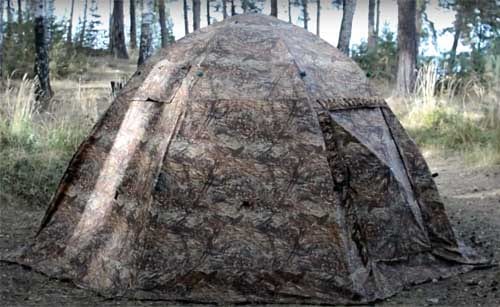
Russian Bear Tent (4 Season Hot Tent With Stove Included): Definitive Review (2026)
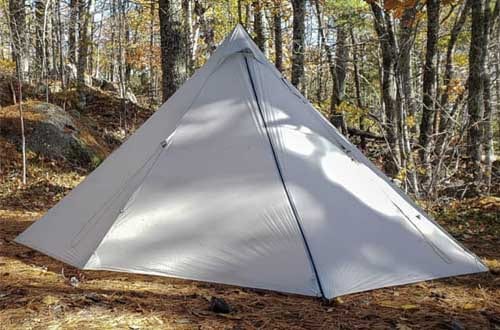
Onetigris Smokey Hut Tent: Definitive Review (2026)
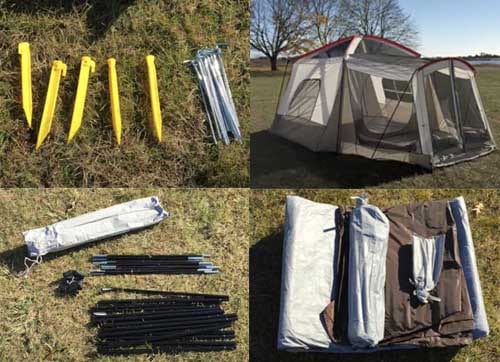
Wenzel 8 Person Klondike Tent: Definitive Review (2026)
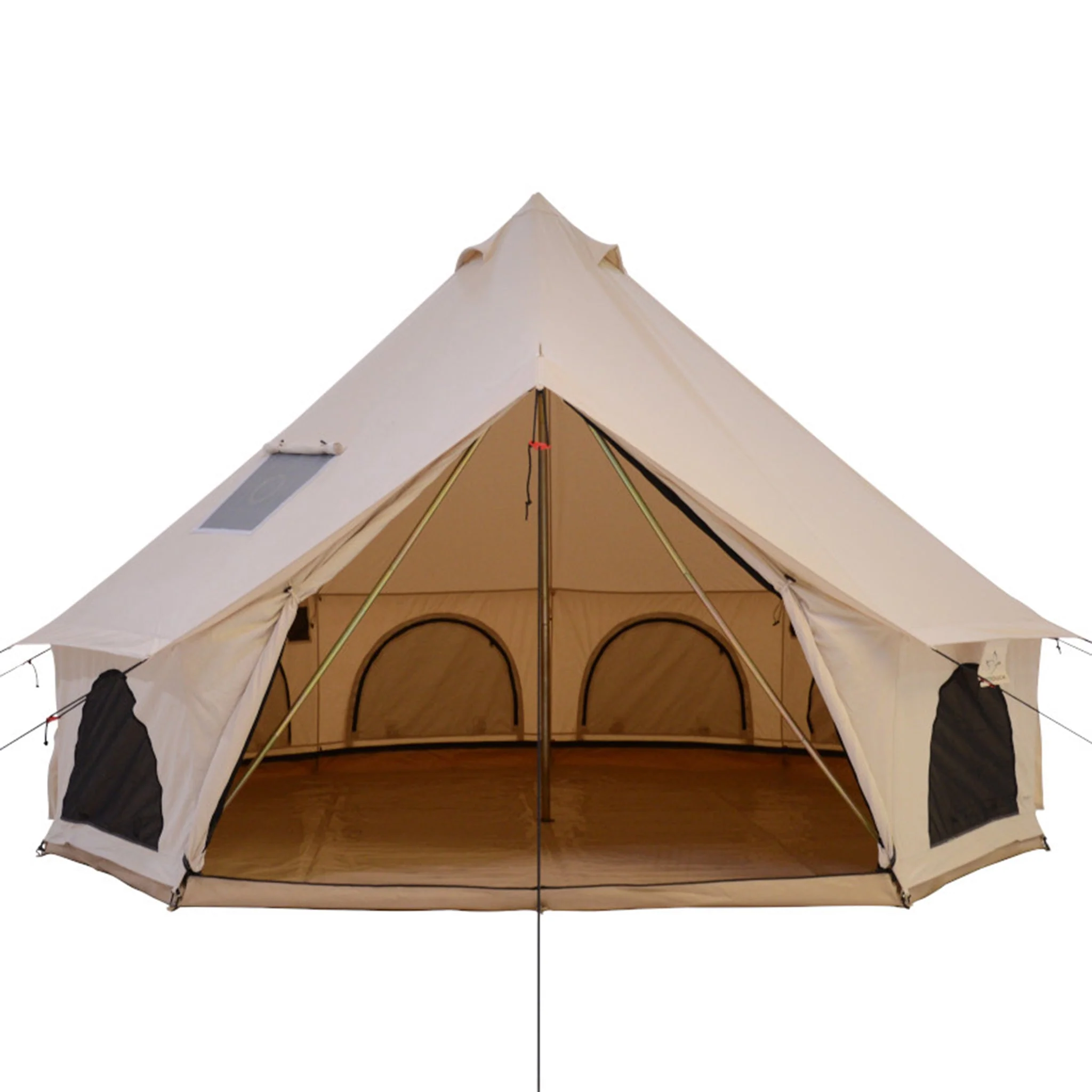
White Duck Outdoors (Avalon Bell Tent): Definitive Review (2026)
Big Agnes Flying Diamond 6: Definitive Review (2026)
Eureka Copper Canyon: Definitive Review (2026)
Crua Tent (Core Dome 6 Person): Definitive Review (2026)